
Refractory materials refer to substances that maintain structural and performance stability under high-temperature conditions. They are widely used in high-temperature industrial furnaces, kilns, furnace linings, and other equipment within industries such as metallurgy, ceramics, glass, and cement. Below are the types of refractory materials and their primary applications:
I. Classification by Composition
1.Acidic Refractory Materials
Quartz bricks: Made from quartz sand, they have high refractoriness and good acid resistance, but poor alkali resistance.
Aluminum silicate bricks: Containing bauxite or alumina, they are widely used and have good thermal and chemical stability.
Clay bricks: Made primarily from refractory clay, containing 30% to 46% alumina, they have good thermal shock resistance and corrosion resistance to acidic slag.
Main component: Primarily silicon dioxide (SiO₂).
Characteristics: They have good acid resistance but are prone to reacting with alkaline slag.
Types:
Uses: Mainly used in coke ovens, glass melting furnaces, acidic steelmaking furnaces, and other thermal equipment.
2.Basic Refractory Materials
Magnesia bricks: Their main component is magnesium oxide, offering high temperature resistance and excellent resistance to alkaline environments and slag corrosion.
Lime bricks: Made from quicklime, which is converted into calcium oxide, mainly used in blast furnace linings.
Magnesia-chrome bricks, chrome-magnesia bricks, magnesia-alumina bricks, dolomite bricks, forsterite bricks, etc.
Main components: Primarily magnesium oxide (MgO) or calcium oxide (CaO).
Characteristics: High refractoriness and strong resistance to alkaline slag.
Types:
Applications: Mainly used in basic steelmaking furnaces, non-ferrous metal smelting furnaces, and cement kilns.
3. Neutral Refractories
Chromium Bricks: Materials containing chromium, resistant to high temperatures and corrosion, primarily used in industries such as steel smelting.
Mullite Bricks: Primarily composed of mullite, these bricks are formed by high-temperature sintering of clay minerals. They exhibit good thermal stability and strength, with refractoriness typically ranging between 1200–1400°C.
Zirconia Refractories: Offering excellent high-temperature resistance and chemical stability, these materials are suitable for specialized applications such as papermaking and aerospace.
High-Alumina Refractories: Produced by firing bauxite, these materials contain high aluminum content and exhibit high refractoriness, making them suitable for high-temperature zones in furnaces.
Characteristics: They exhibit minimal reaction with acidic or alkaline molten slag at elevated temperatures.
Types:
Applications: Widely used as furnace linings in various high-temperature furnaces, such as steel smelting furnaces and ceramic kilns.
II. Classification by Shape and Preparation Process
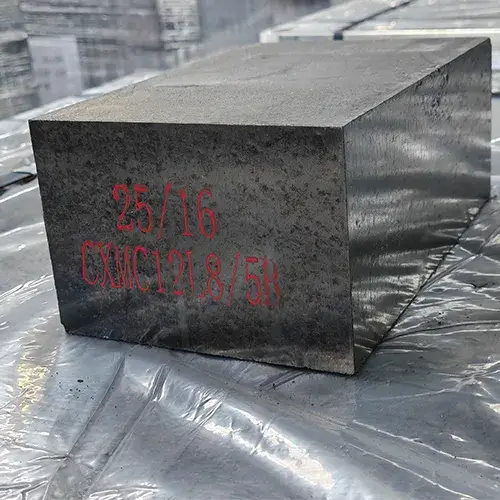
1. Refractory Bricks
Characteristics: The most common form of refractory material, offering excellent strength and erosion resistance.
Applications: Widely used in furnace linings for blast furnaces, industrial furnaces, and similar equipment.
2. Refractory Coatings
Characteristics: A coating material composed of refractory particles and binders, enhancing furnace lining refractory performance and reducing heat loss.
Applications: Applied to furnace lining surfaces to improve refractory properties and service life.
3. Refractory Castables
Characteristics: Refractory particles mixed with cement, gypsum, or other binders, then cast into shape for repairing high-temperature furnace linings.
Applications: Used for repairing and reinforcing high-temperature furnace linings.
4. Ceramic Fibers
Characteristics: A fibrous material formed by high-temperature processing of high-purity bauxite, offering excellent thermal insulation and refractory properties.
Applications: Widely used for high-temperature insulation and protection, such as kiln insulation layers and thermal pipe insulation layers.
5. Unshaped Refractory Materials
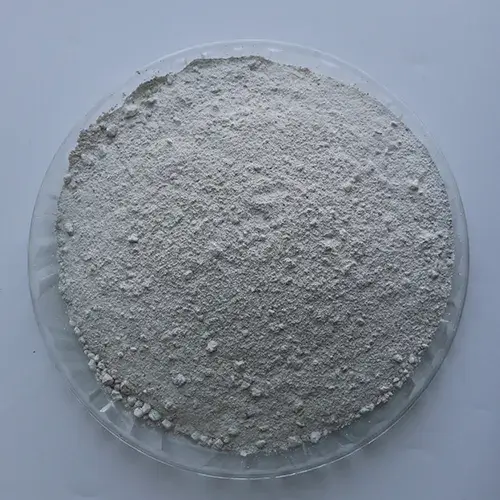
Characteristics: A mixture composed of refractory aggregates, powders, binders, or additives in specific proportions. Can be used directly or mixed with appropriate liquids.
Types: Furnace repair materials, refractory ramming mixes, refractory castables (a broader concept than the previous refractory castables, encompassing various forms of unshaped refractories), refractory plastic, refractory mud, refractory spray mix, refractory shotcrete, refractory coating (similar in concept to the earlier refractory coating but classified as a type of unshaped refractory material), lightweight refractory castables, etc.
Applications: Used for lining repairs, thermal insulation, and heat insulation in various high-temperature equipment.
III. Special Refractories
1. Cast Refractories
Characteristics: Refractory products formed by melting the mixture at high temperatures using specific methods and then casting into desired shapes.
Applications: Used to manufacture specialized components for high-temperature equipment, such as blast furnace tapholes and steel furnace nozzles.
2. Carbon Refractories
Characteristics: Primarily composed of carbon materials, exhibiting high electrical conductivity and heat resistance, but prone to oxidation in strongly oxidizing environments.
Applications: Widely used in electric arc furnaces and for manufacturing linings of high-temperature reactors.
3. Special Refractories
Characteristics: Novel inorganic non-metallic materials developed from traditional ceramics and general refractories, exhibiting unique physical and chemical properties.
Types: Non-oxide refractories such as silicon nitride-bonded silicon carbide bricks, nitrides, silicides, sulfides, borides, and carbides.
Applications: Used for manufacturing specialized components of high-temperature equipment and in specific high-temperature applications, such as thermal protection systems for spacecraft and shielding materials for nuclear reactors.
In summary, refractory materials are diverse, with each type possessing unique compositions, characteristics, and applications. When selecting refractory materials, the appropriate type must be determined based on the specific operating environment and requirements.
More details about refractory material
What are examples of highly refractory materials?
Refractory raw materials, such as alumina, magnesia, silica, zirconia, and carbon, form the foundation of all high-temperature industrial processes. Alumina and magnesia are the two most widely used oxides, valued for their high melting points, corrosion resistance, and mechanical strength.
What is basic refractory material?
Roughly, the raw materials of basic refractory are dolomite, magnesite, olivine and serpentine whose useful components are MgO, CaO, MgCO3, SiO2 and so on. Specifically, the raw materials of basic refractory are magnesia, magnesia spinel, magnesia calcium sand, magnesia chrome sand and magnesia zirconium sand.
What are the types of refractories?
Common refractories include fireclay, silica, magnesite, mullite, chrome-magnesite, carbide, and insulating refractories which are used as heat barriers. Each refractory has specific properties and applications depending on their chemical composition and temperature resistance.
What are the raw materials of refractory?
The oxides of aluminium (alumina), silicon (silica) and magnesium (magnesia) are the most important materials used in the manufacturing of refractories. Another oxide usually found in refractories is the oxide of calcium (lime). Fire clays are also widely used in the manufacture of refractories.